Art Therapy
Art Therapy
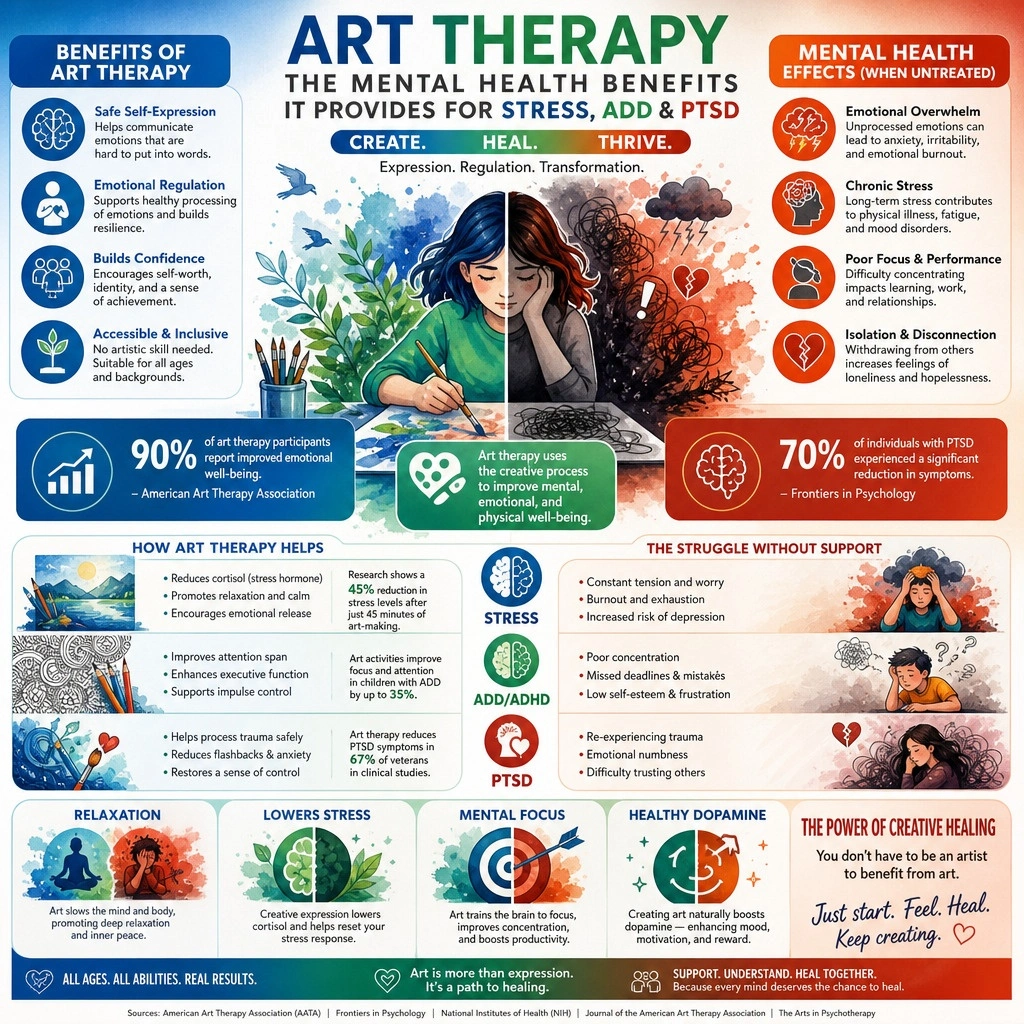
Studies indicate that just 45 minutes of creative art-making based interventions successfully reduce overall stress, improving mood, self-efficacy, emotional exhaustion and lowering salivary cortisol in adults. Repetitive or structured creative actions (like coloring or pattern drawing) physically calm the autonomic nervous system. The University of Arizona
Rise in Mental Health Conditions
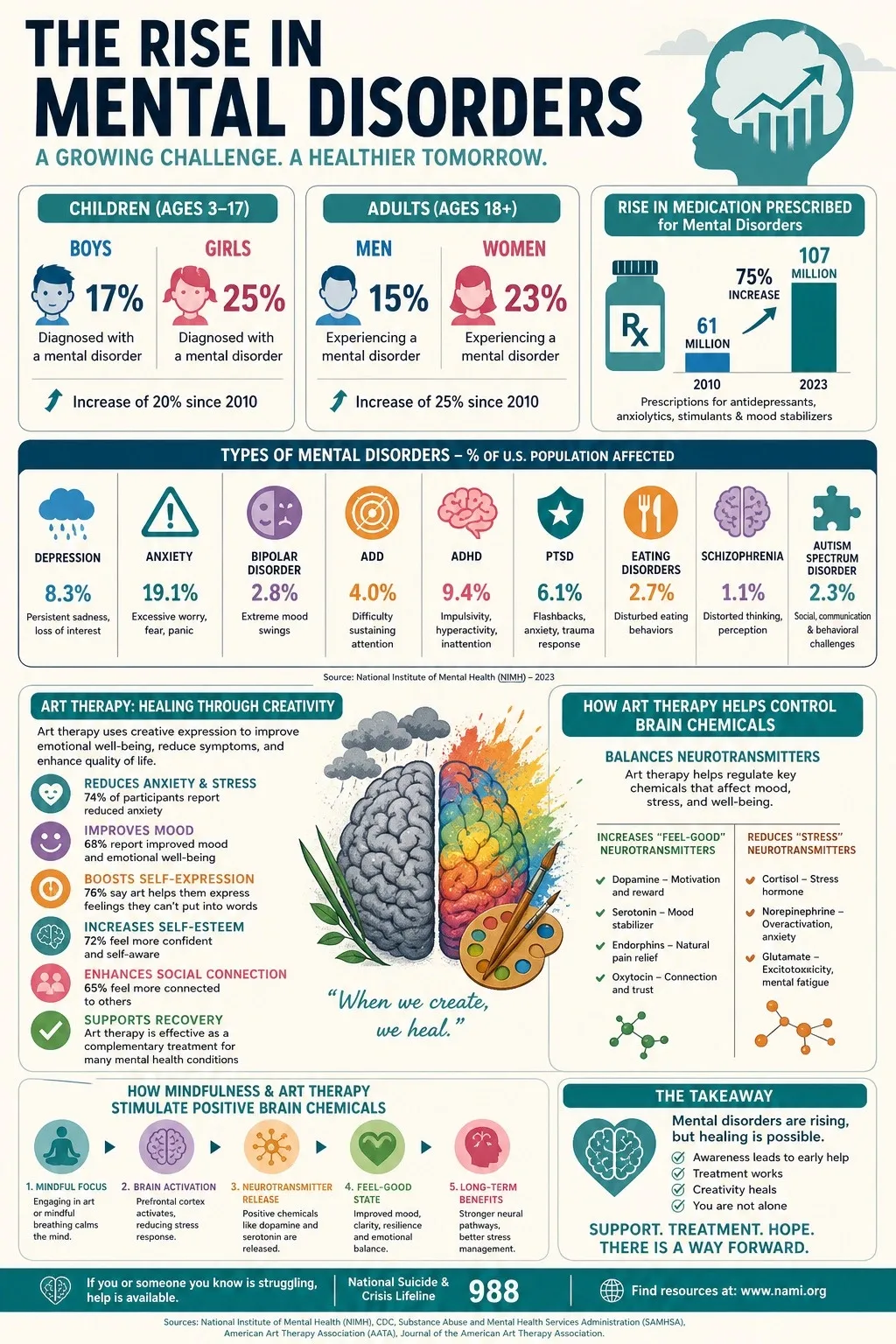
The global rise in mental health conditions - affecting over 650 million people worldwide - has driven increased interest in complementary treatments.Art therapy serves as a low-risk, evidence-based adjunct to traditional psychotherapy, helping patients process trauma, lower cortisol, and manage severe psychological distress when words fail.UNSW Sydney
Breaking the Stigma
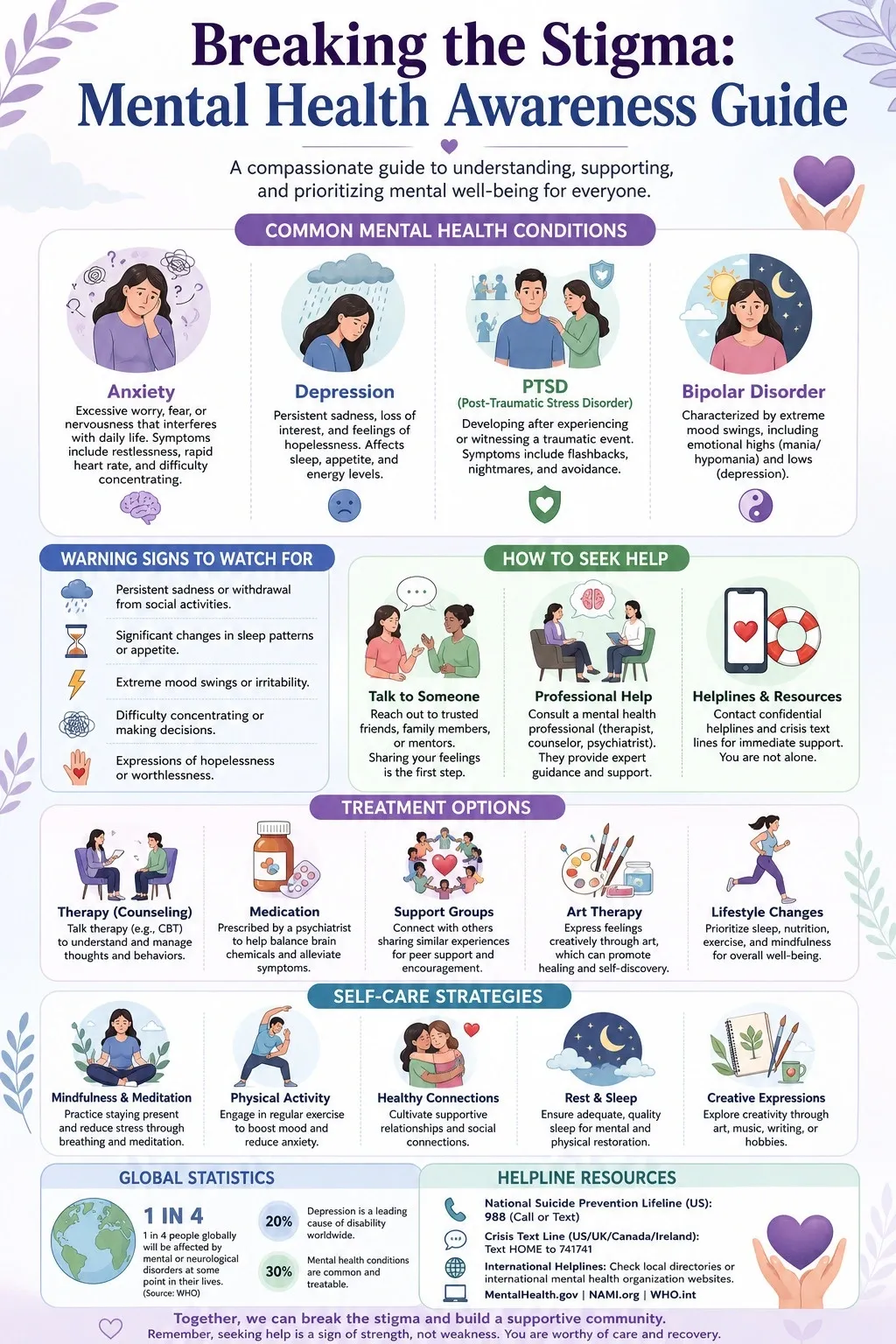
Stigma towards mental health conditions keeps millions from care, driving higher depression, suicide risk, and isolation across communities. 70% of people with severe mental illness avoid treatment because of stigma, and untreated depression carries a 15% higher suicide risk.
- 70% of individuals with severe mental illness avoid treatment due to fear of stigma, according to the APA
- People with mental illness experience 2.1x higher rates of social isolation due to stigma worsening physical health.
Creative Expression
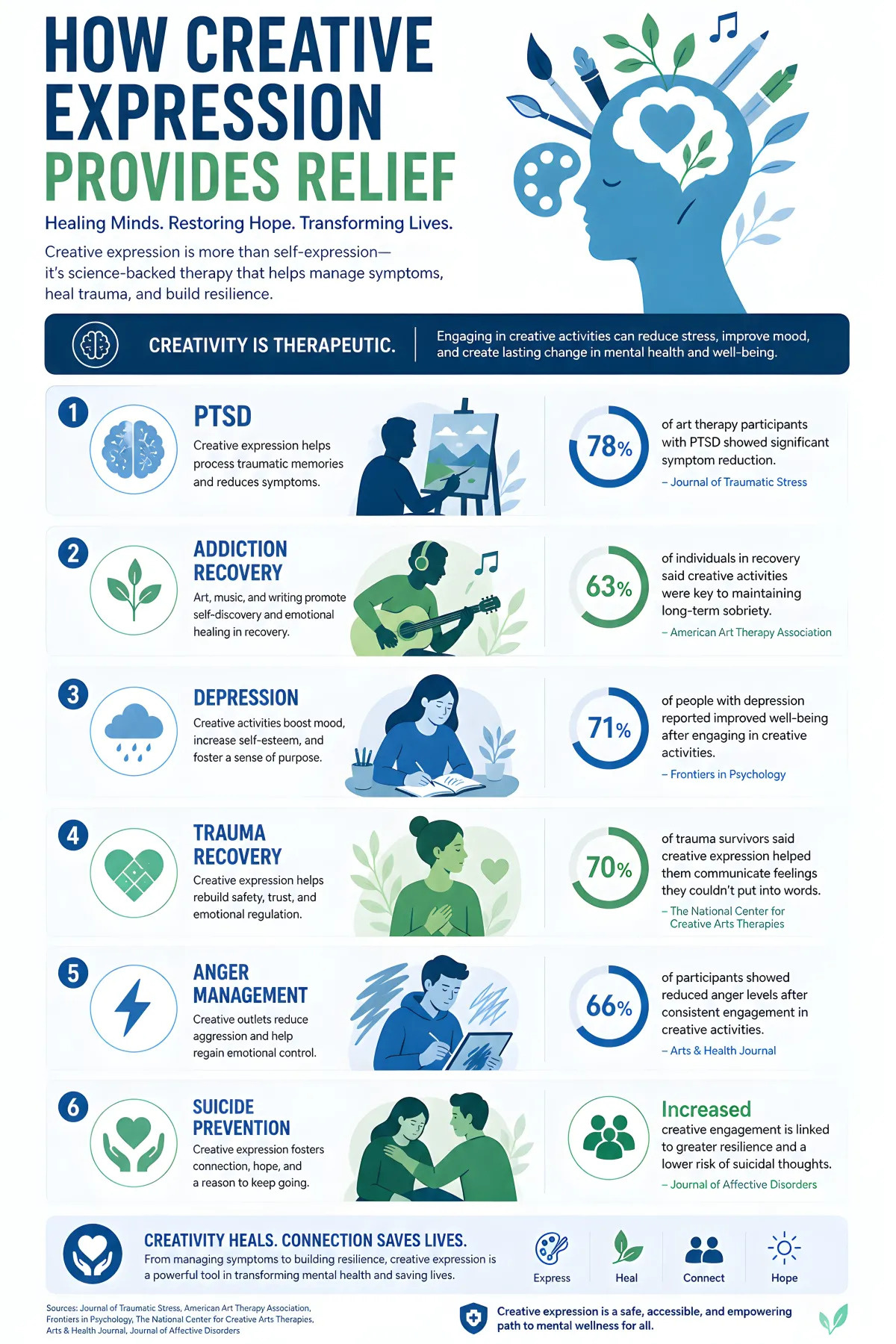
Studies show that activities like drawing, music, or journaling can reduce anxiety and depressive symptoms by fostering focus, emotional processing, and a sense of accomplishment. Creative expression helps people with mental illness by lowering stress hormones like cortisol, improving mood, and giving emotions a tangible outlet when words feel insufficient. Mind Hues
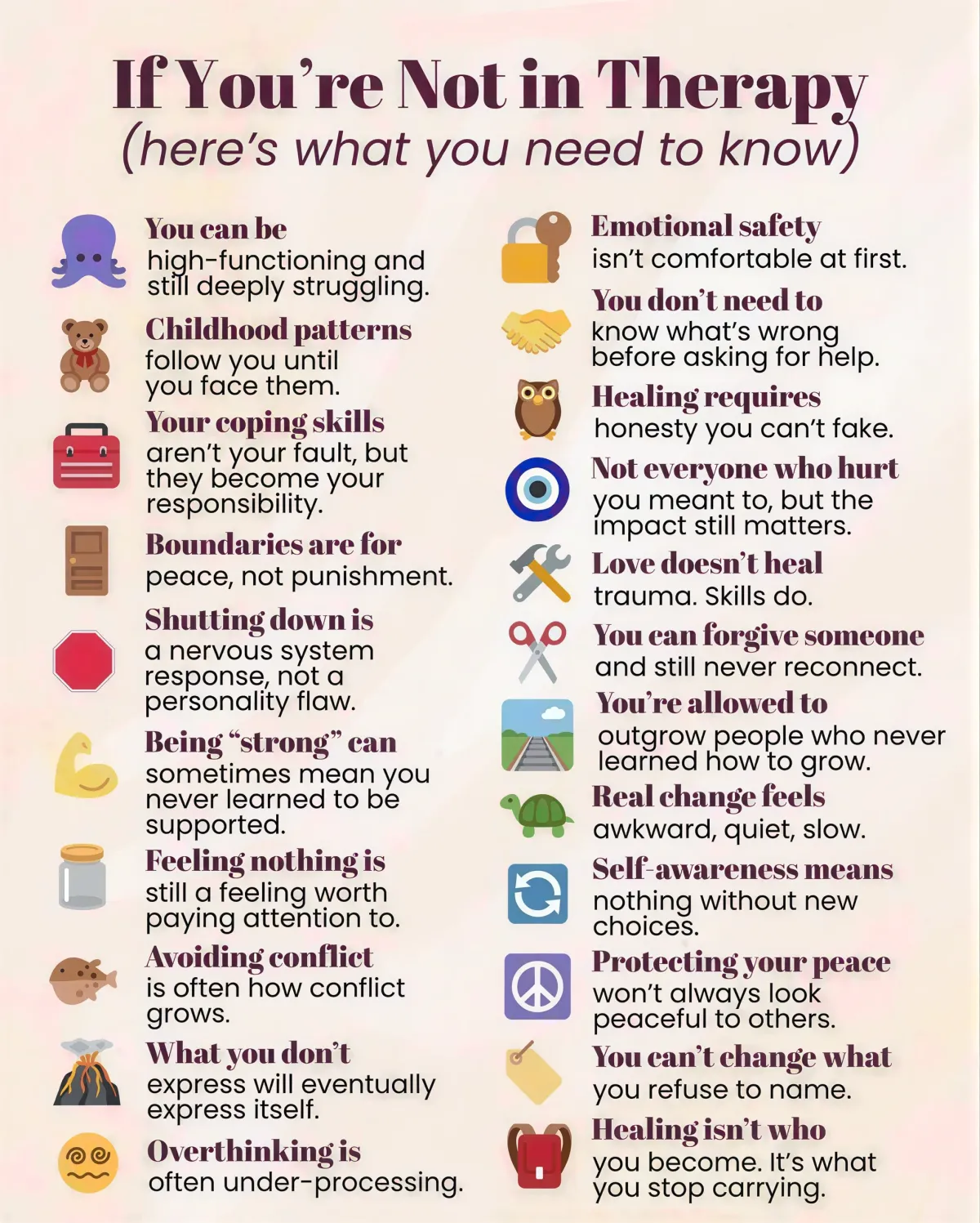
If you're not in therapy...
Self-Evaluation is never a bad thing.

Personality Disorders
Personality disorders are grouped into three clusters: Cluster A (odd/eccentric), Cluster B (dramatic/emotional), and Cluster C (anxious/fearful). Cluster A includes paranoid, schizoid, and schizotypal personality disorders; Cluster B includes antisocial, borderline, histrionic, and narcissistic personality disorders; Cluster C includes avoidant, dependent, and obsessive-compulsive personality disorders.AMFM